
KEEP YOUR EYES ON THE GAVEL
How the ongoing divide within Lynchburg’s City Council is casting fear and uncertainty for downtown’s future.
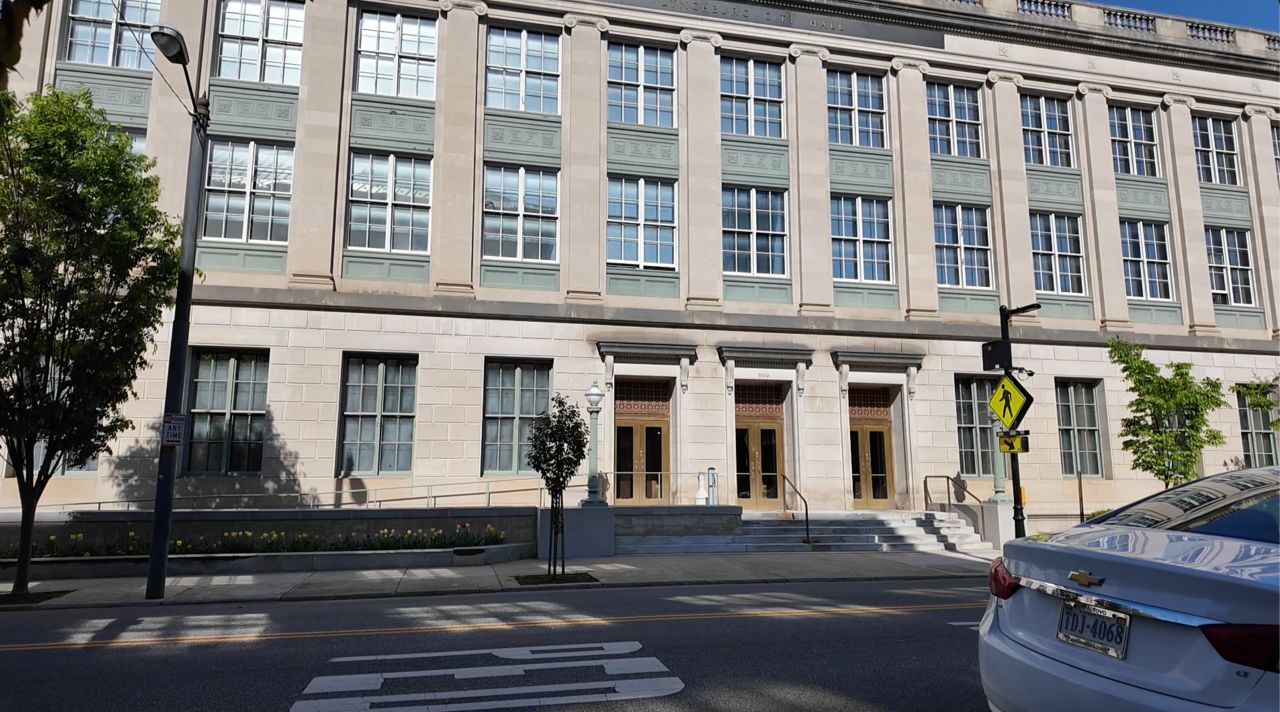

As the city continues its efforts to complete its Downtown 2040 Master plan, the future of downtown’s revitalization has recently become a topic of discussion, as the Lynchburg City Council comes under greater public scrutiny. From public name-calling to disagreements on the city’s real estate tax, the actions of council members have left some business owners questioning their commitment to the area.
Back in May, after multiple downtown business owners sent emails to the city council scrutinizing At-Large Councilmember Marty Misjuns, Penny Lane Properties owner Daryl Calfee stated that his business would hold off on any future developments within the city.
“We are actively withholding future projects because no matter how merit-based the efforts, this current council cannot be entrusted to consider them fairly or appropriately because of a juvenile mindset that exists with several members."
Earlier this year, Misjuns also raised concerns about the investment into funding for two key organizations in downtown revitalization: the Downtown Lynchburg Association and the Lynchburg Regional Business Alliance.
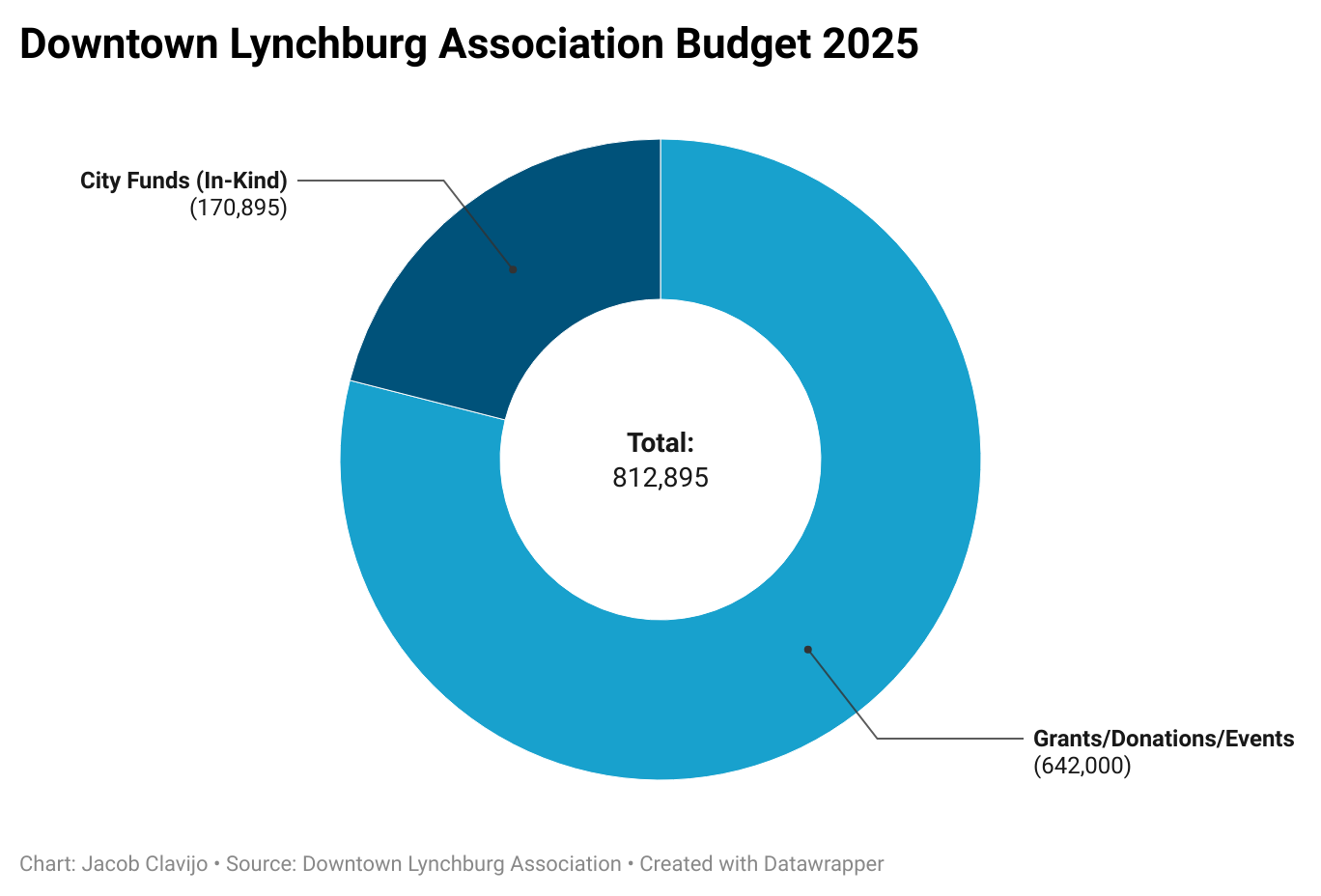
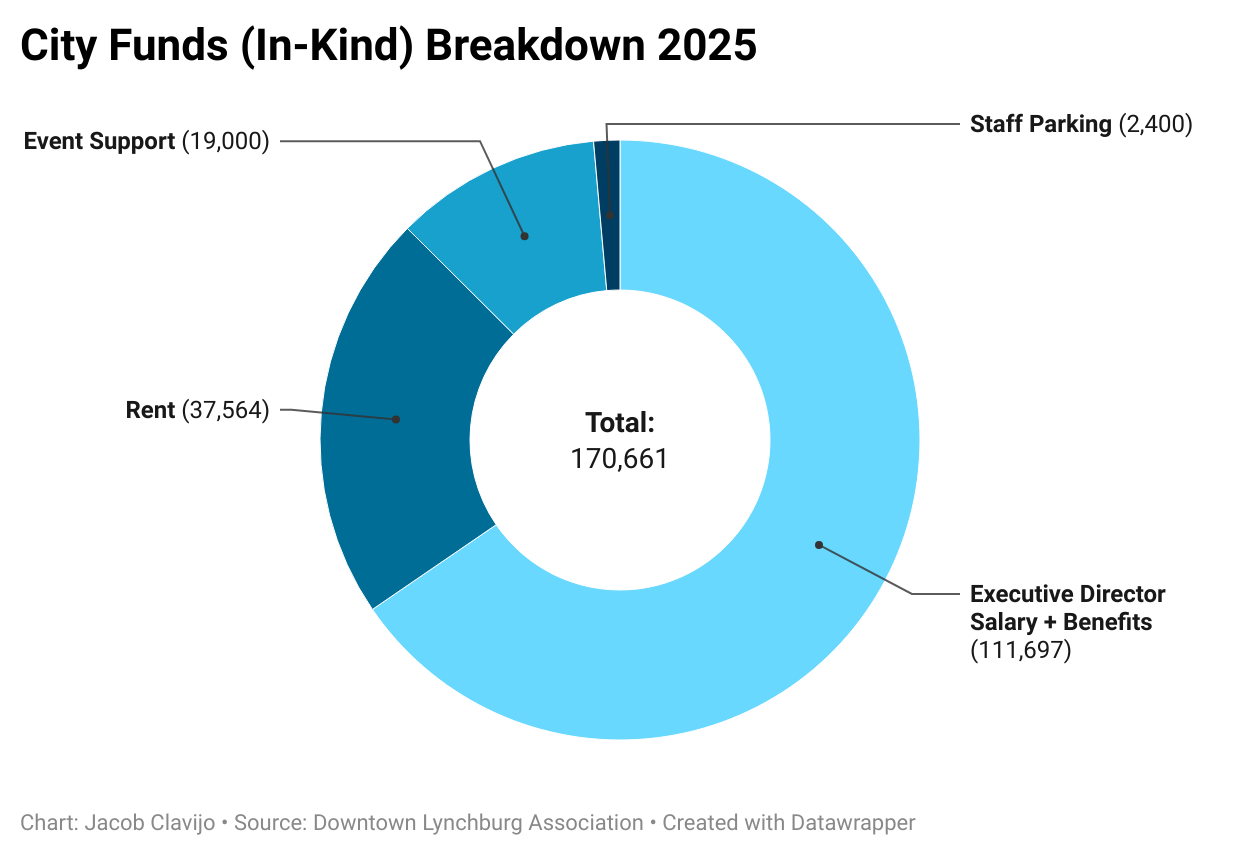
As a non-profit organization that receives partial funding from the city, the DLA gets about 21 percent of its budget from in-kind contributions, mainly for the executive director’s salary. The remaining portion of the budget comes from a combination of donations, grants, and events, which totaled $812,895 in 2025.


Stacy Garrett, who has served as the executive director for the DLA since August, says that she is committed to serving downtown and has had only positive interactions with the council.
“The conversations between the city and the DLA have been nothing but positive since I’ve arrived,” said Garrett, who previously served as the executive director of the Miller Home of Lynchburg. “I appreciate the support I’ve gotten from the city and the council.”


Kelvin Whitehurst, former business liaison for the DLA. Photo via International Downtown Association
Kelvin Whitehurst, former business liaison for the DLA. Photo via International Downtown Association

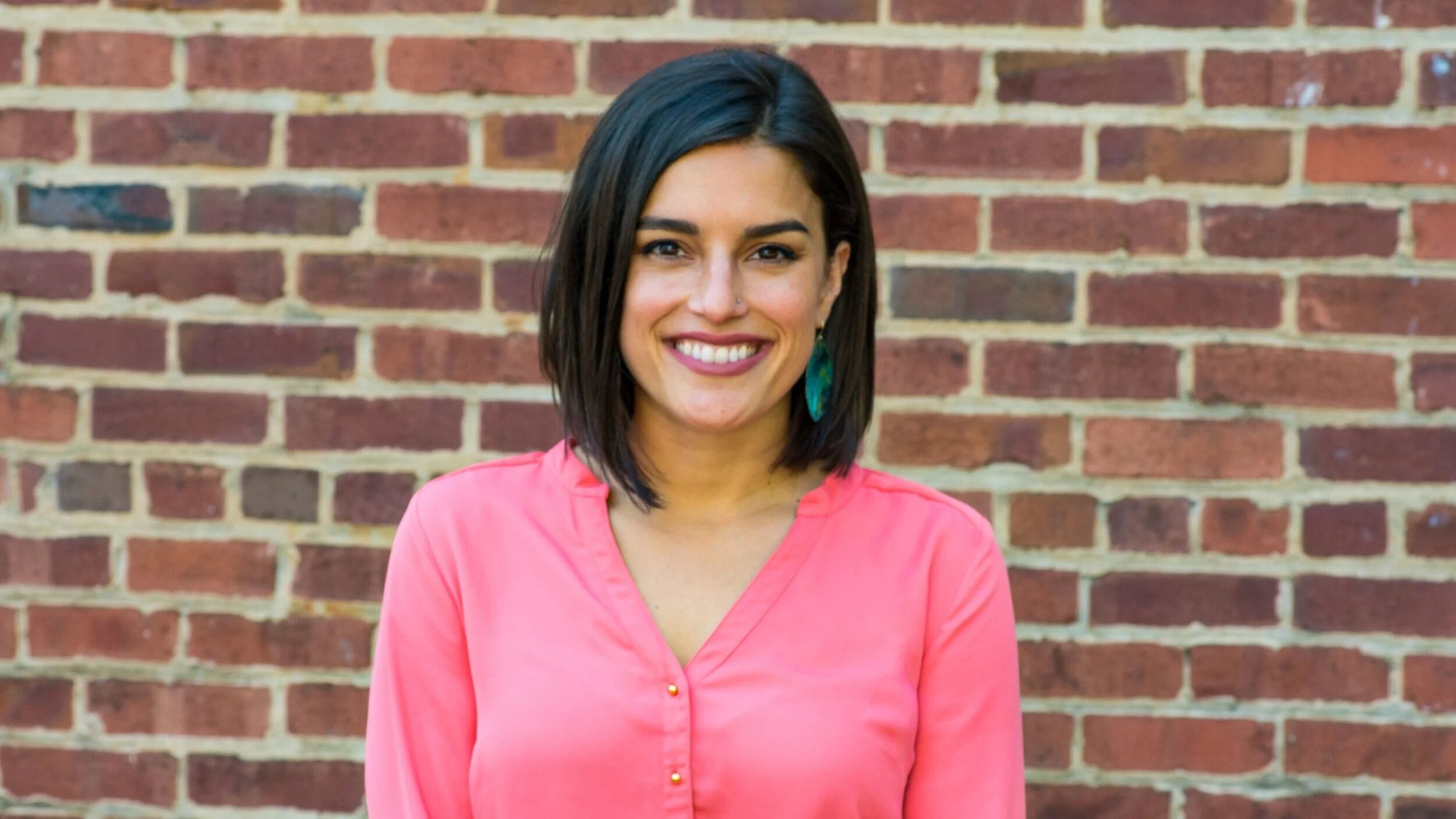
Ashley Kershner, former executive director of the DLA. Photo via the DLA
Ashley Kershner, former executive director of the DLA. Photo via the DLA

Changes to THE DLA
Before Garrett’s arrival, the DLA underwent a near-complete change of staff in the first six months of the year. Kelvin Whitehurst, who served as the business liaison, left back in February. In his role, he checked in with business owners across downtown and established an open line of communication between the DLA and small businesses, allowing them to voice their concerns. While Whitehurst’s role is no longer part of DLA’s structure, business owners say he was crucial in ensuring they felt heard.
“Kelvin is like family,” said Mekio Kelliher, who worked alongside Whitehurst throughout her process as a Launch LYH winner. “It was always great to know that I had a resource there if I ever had a problem.”
In July, James Ford, who worked as the DLA’s marketing director, left to pursue other professional and personal opportunities. But perhaps the most notable departure was that of Executive Director Ashley Kershner.
Kershner had been with the organization since 2016 and had been a crucial part of DLA’s long-term success. In her nine years, Kershner helped acquire the Community Business Launch (CBL) grants that funded Launch LYH and opened 15 new businesses downtown. She was instrumental in organizing popular city events, including Bright Nights on the Bluffwalk, Fireworks on the Riverfront, and Downtown Loft Tours.
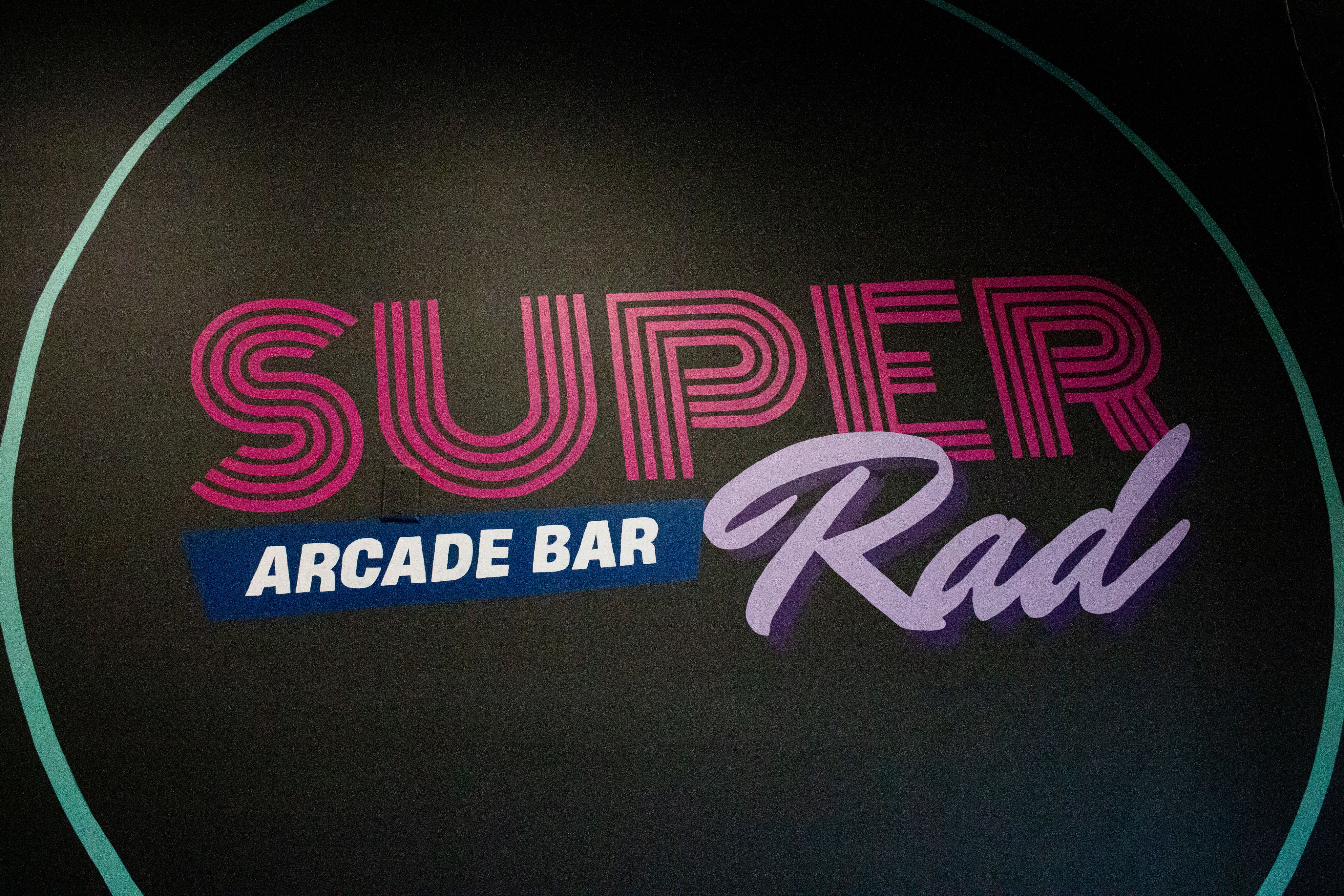
Cullen Jennings, the co-owner of Super Rad Arcade Bar, says that the shakeup at the DLA has led to a decrease in partnership support from the non-profit. He says that when the business first opened, the DLA did a great job promoting his business, but it has since been challenging to receive promotional support. He says that while he understands that organizational changes can affect any business, small businesses downtown can use all the help they can get.
Super Rad Arcade Bar was one of five inaugural winners of the Launch LYH program back in 2023. Jennings says he wanted to provide more than just another restaurant or retail space and instead give Downtown Lynchburg a family-friendly, affordable activity.
Since opening, Super Rad has become one of the more popular downtown destinations and frequently hosts charitable events and concerts for the community. But to promote these events, Jennings says he handles it all on his own.
“If we’re a part of your downtown scene…why are you not partnering with us?” Jennings questioned. “The truth is, everyone needs help.”
What’s Next for DLA
Before her departure, Kershner was working with the city to implement a Downtown Improvement District (DID) to further the DLA’s efforts to revitalize downtown.
She urged the city council to strongly support the investment in downtown’s vitality and economic success. By implementing a DID, Kershner noted that the funds would help build on the DLA's work, which has largely been privately funded since its inception in 1995.
“We’re at the point right now where we can’t grow anymore. We are at our limit in terms of the amount of money that we could possibly raise to do the work that we’re doing at DLA,” Kershner said in a finance committee meeting back in April. “We are not sustainably funded moving forward.”
According to Kershner, the funds acquired from the DID would be used for business support, public safety, marketing, and downtown beautification, among other things.
While implementing a DID would mean collecting an additional tax from property owners within the district, community support from stakeholders is growing. The DLA is also working on starting a “Mayor’s Committee for a Stronger Downtown” that will include stakeholders, members of the city council, DLA board members, and city staff.
At the same meeting back in April, multiple city council members expressed support for potentially implementing a DID, saying that it could continue to build upon downtown’s upward trajectory and further revitalize small businesses.
“We need to do a better job of explaining to our citizens the benefits of a successful downtown. What we’re trying to do is make our downtown what every successful downtown is doing,” said At-Large Councilmember Stephanie Reed. “We’re trying to get more businesses to pop up in all these empty storefronts that have been empty for so long.”
Despite Kershner’s departure, the DLA is still actively discussing this potential partnership with the city.
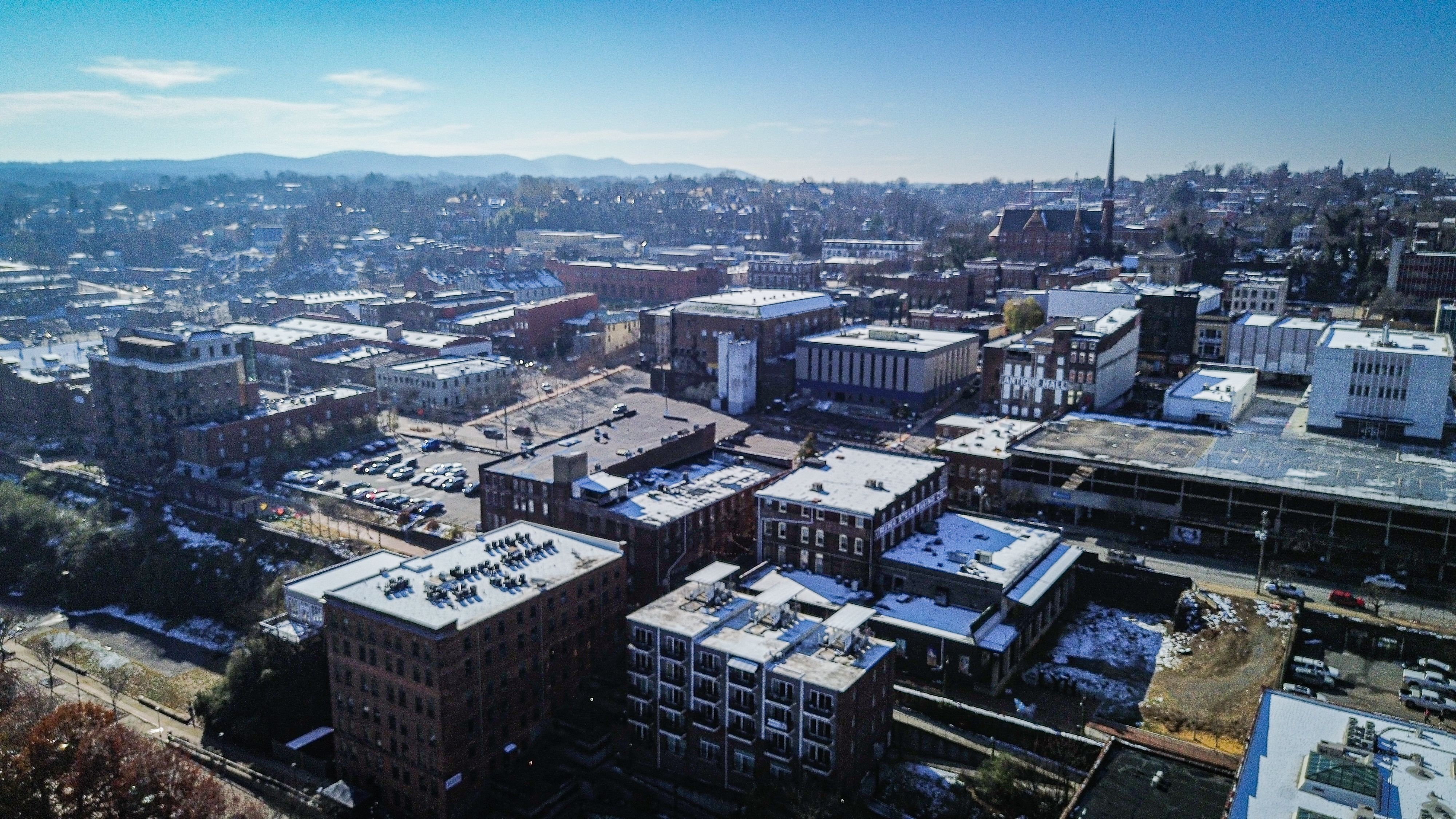
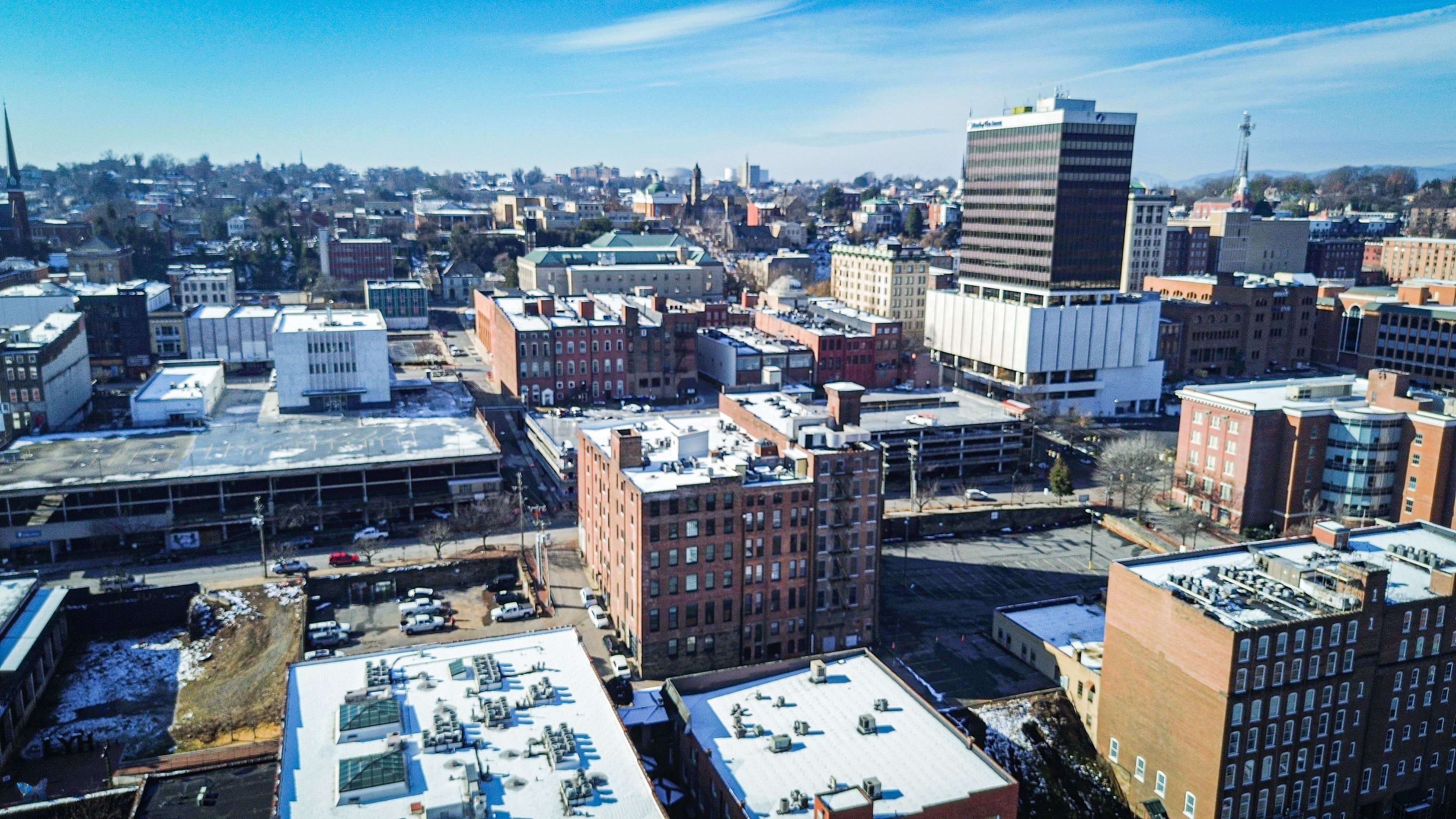
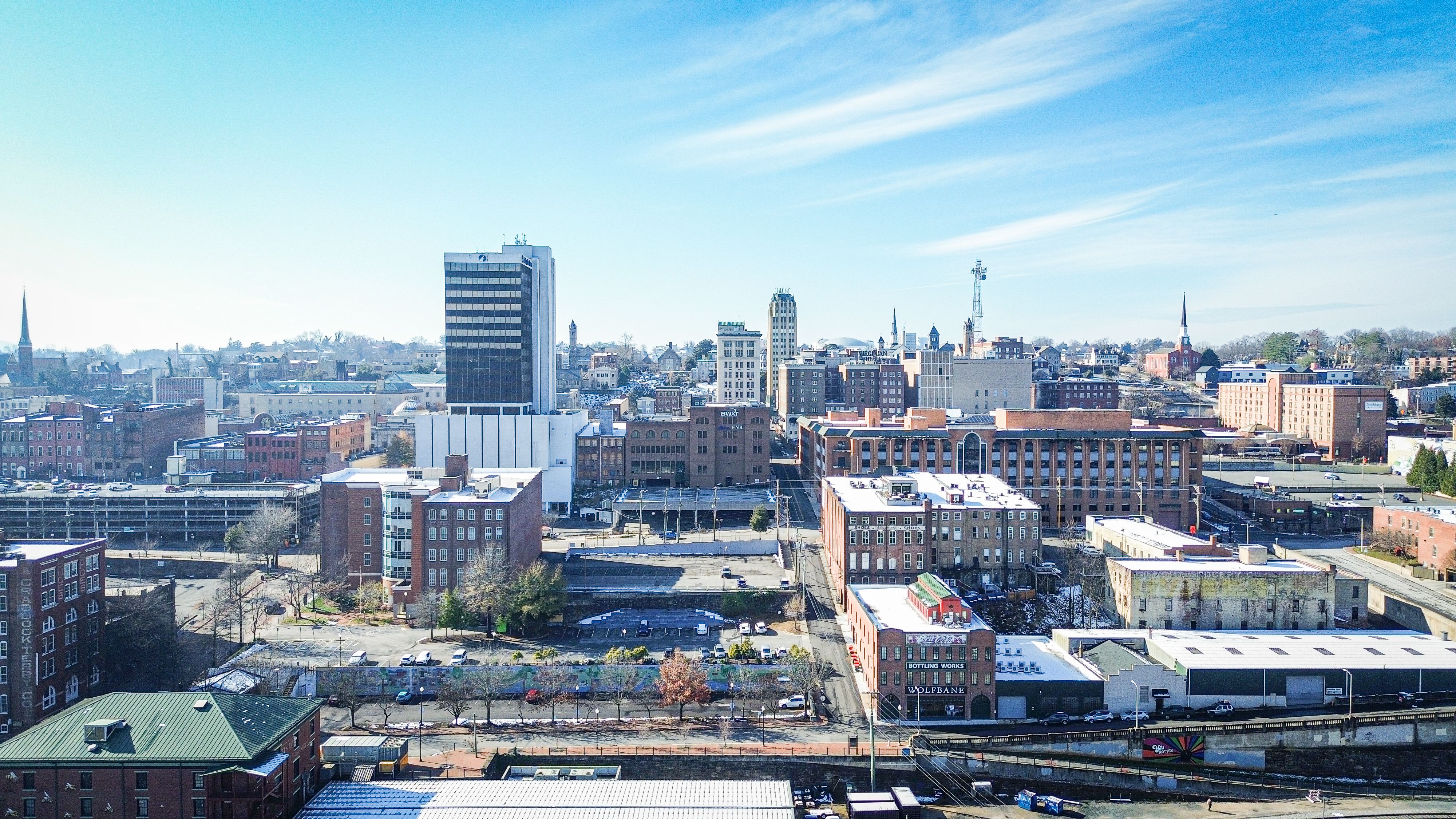
As 2026 nears, Downtown Lynchburg will be less than 15 years from its 2040 goal to complete its downtown revitalization. The long-awaited Riverfront Park Amphitheater, a crucial component of the Downtown 2040 Master Plan, is slated to open in Spring 2026, with the hopes of turning downtown into a tourist destination. Portions of Main Street opened up back in October, but construction is still ongoing throughout the city, with multiple streets blocked off.

Lynchburg’s Identity
While the journey of owning a business is far from a straight line, it’s the feeling of giving back to their community that keeps most business owners going. They’re the ones waking up before the sun rises to make biscuits from scratch. They’re the ones traveling out of town just to get more of the products their customers want. They’re the ones hosting events just to make you feel like you belong in your community. And they might even be the ones making your wedding cake someday soon.
But without public support and backing, these businesses won’t make it.
Organizations like the DLA have provided stability to businesses across downtown. Since 2014, the organization has given out over $562,000 in grants and has been crucial in assisting businesses that struggled throughout the pandemic. The Bright Nights on the Bluffwalk event generated $929,000 in economic impact in 2024, and businesses on the Bluffwalk saw a 14 percent increase in sales during the event.
For Alexandra Milhouse, owner of Firebrick Pottery, the DLA’s impact is one that she tries to replicate with her business. It has helped develop the city’s identity and personality, drawing in thousands of visitors from all demographics and giving the city a new breadth of life.
“That’s my goal with Firebrick, is that I’m helping Lynchburg become a place that you enjoy being,” Milhous said. “Hopefully, we just continue to grow in that and make more of a Lynchburg identity, made by people who just love Lynchburg.”
For updates to the city’s Downtown 2040 Master Plan, including progress on the Riverfront Park Amphitheater, visit lynchburgva.gov
How We Reported This Story
Jacob Clavijo met with 12 business owners across Downtown Lynchburg, including 10 Launch LYH winners, to discuss their experiences as small-business owners in the city. He also spoke with multiple people involved in coordinating Launch LYH, including members of the Virginia Small Business Development Center and the Downtown Lynchburg Association.
 Built with Shorthand